


Event-driven Alternative to React Context
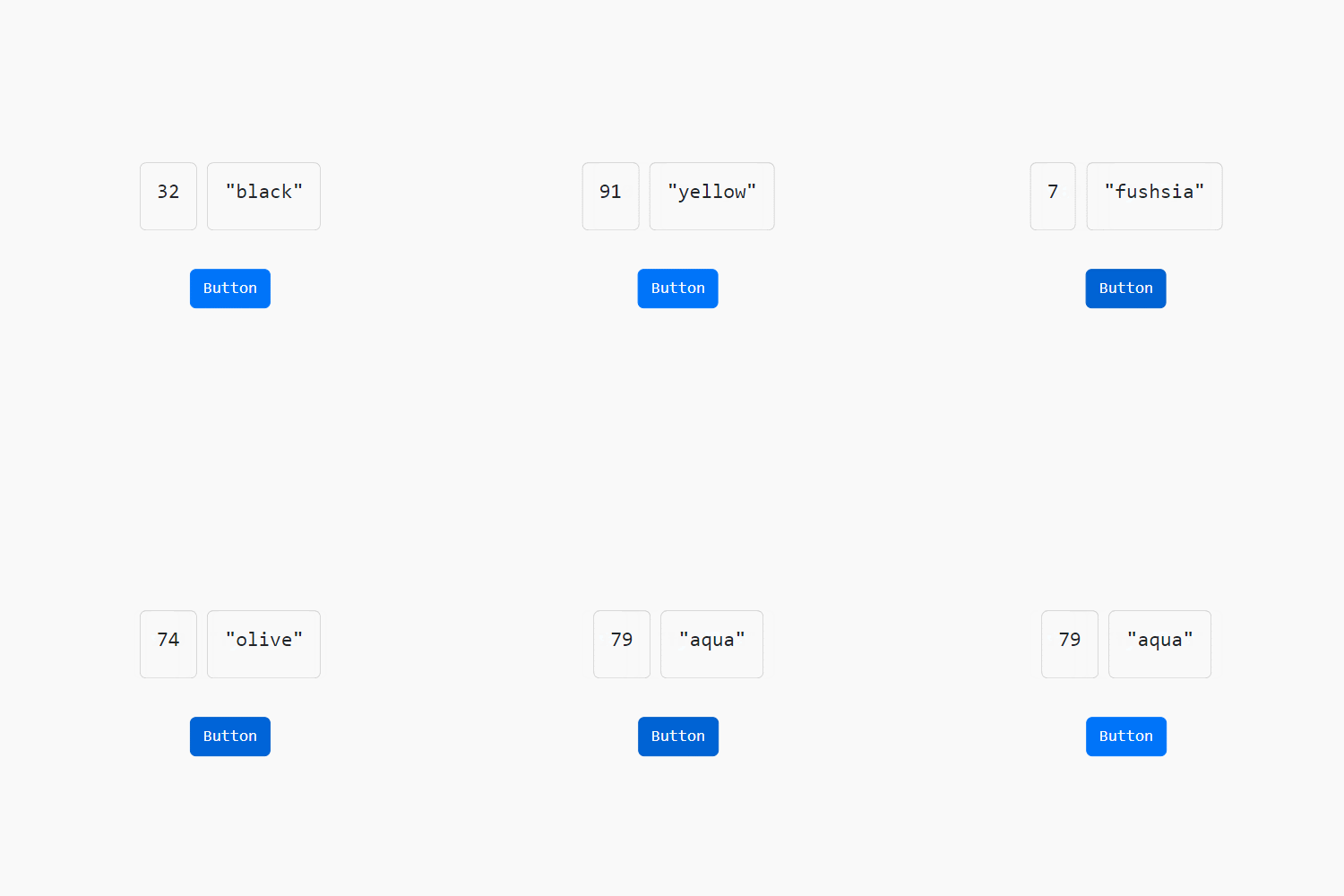 The complete sample project is [here](./sample).
### Stateless Handling
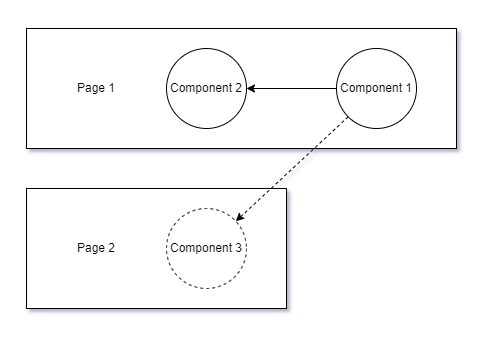
Synapses supports stateless components with caching last published payload for the event type, so that if the component is re-rendered, it won't lose the payload. For example, Component 3 in this example is not re-rendered yet, but Synapses holds the last payload for the event type, and once the component is rendered, it returns the payload instead of initial value.
The complete sample project is [here](./sample).
### Stateless Handling
Synapses supports stateless components with caching last published payload for the event type, so that if the component is re-rendered, it won't lose the payload. For example, Component 3 in this example is not re-rendered yet, but Synapses holds the last payload for the event type, and once the component is rendered, it returns the payload instead of initial value.
 ## Event-driven Architecture
Event-driven Architecture is commonly used in Microservices systems that pretty much targets similar problem; loose coupling. This style of architecture require middleware like Kafka, RabbitMQ etc. and we are trying to adopt the very same idea to React.js, of course with some modification such as "Stateless Handling".
## API
#### `const [ event ] = useEvent ( eventType , initialValue )`
React Hook is to subscribe an event. If there is no event posted yet, it returns `initialValue`, otherwise, returns last published payload for the event type from cache.
#### `publish ( eventType, payload )`
Publish function to post ane event and its payload.
#### `subscribe ( type , callback )`
Subscribe function acts like `useEvent` for non-React JavaScript.
## Event-driven Architecture
Event-driven Architecture is commonly used in Microservices systems that pretty much targets similar problem; loose coupling. This style of architecture require middleware like Kafka, RabbitMQ etc. and we are trying to adopt the very same idea to React.js, of course with some modification such as "Stateless Handling".
## API
#### `const [ event ] = useEvent ( eventType , initialValue )`
React Hook is to subscribe an event. If there is no event posted yet, it returns `initialValue`, otherwise, returns last published payload for the event type from cache.
#### `publish ( eventType, payload )`
Publish function to post ane event and its payload.
#### `subscribe ( type , callback )`
Subscribe function acts like `useEvent` for non-React JavaScript.